
Colors play a vital role in interior design. They are not just an aesthetic element but also directly influence mood, energy, and the overall impression of any space. Colors reflect the personality of a place and its occupants and help create either a relaxing or stimulating atmosphere depending on the choice.
The Impact of Colors on Mood
-
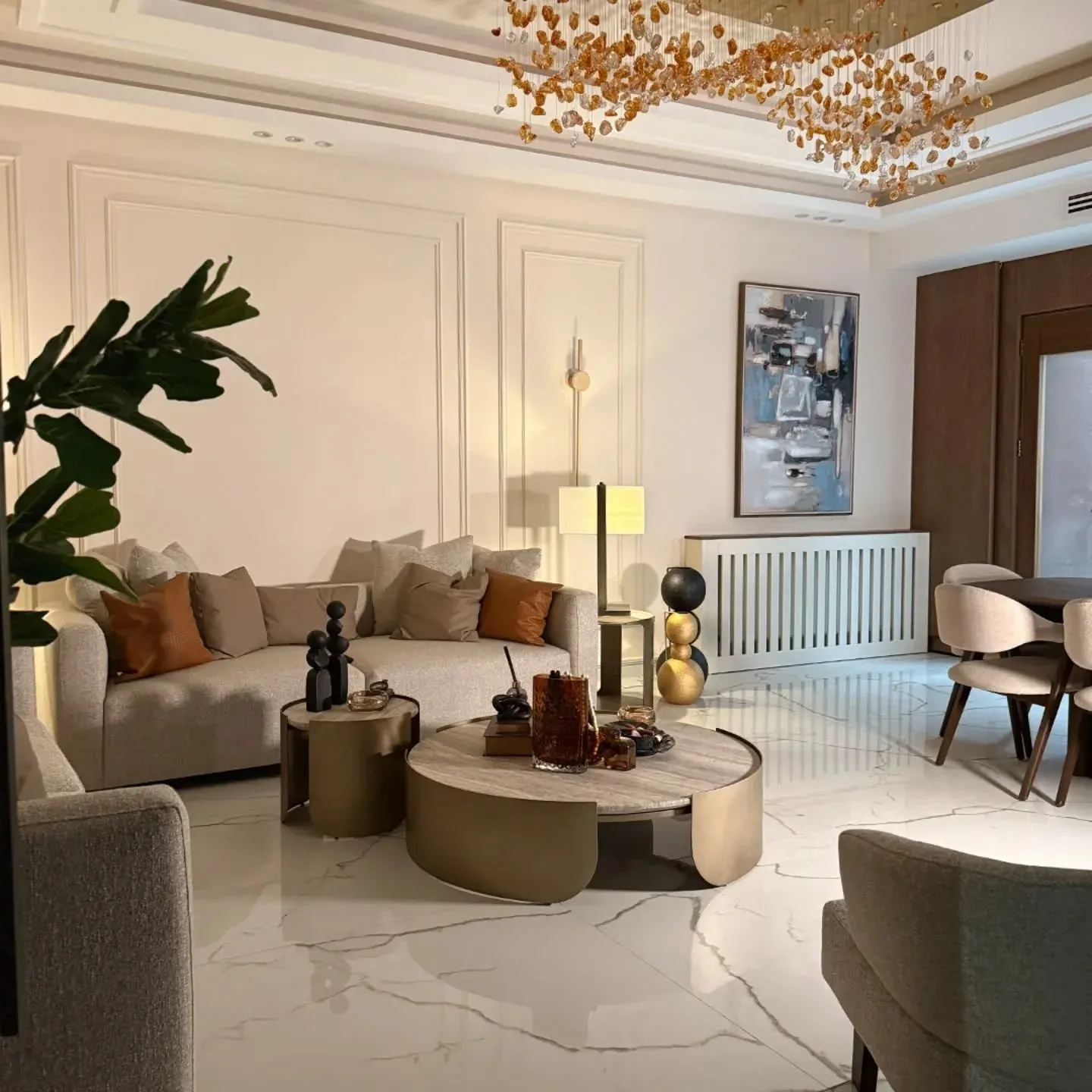
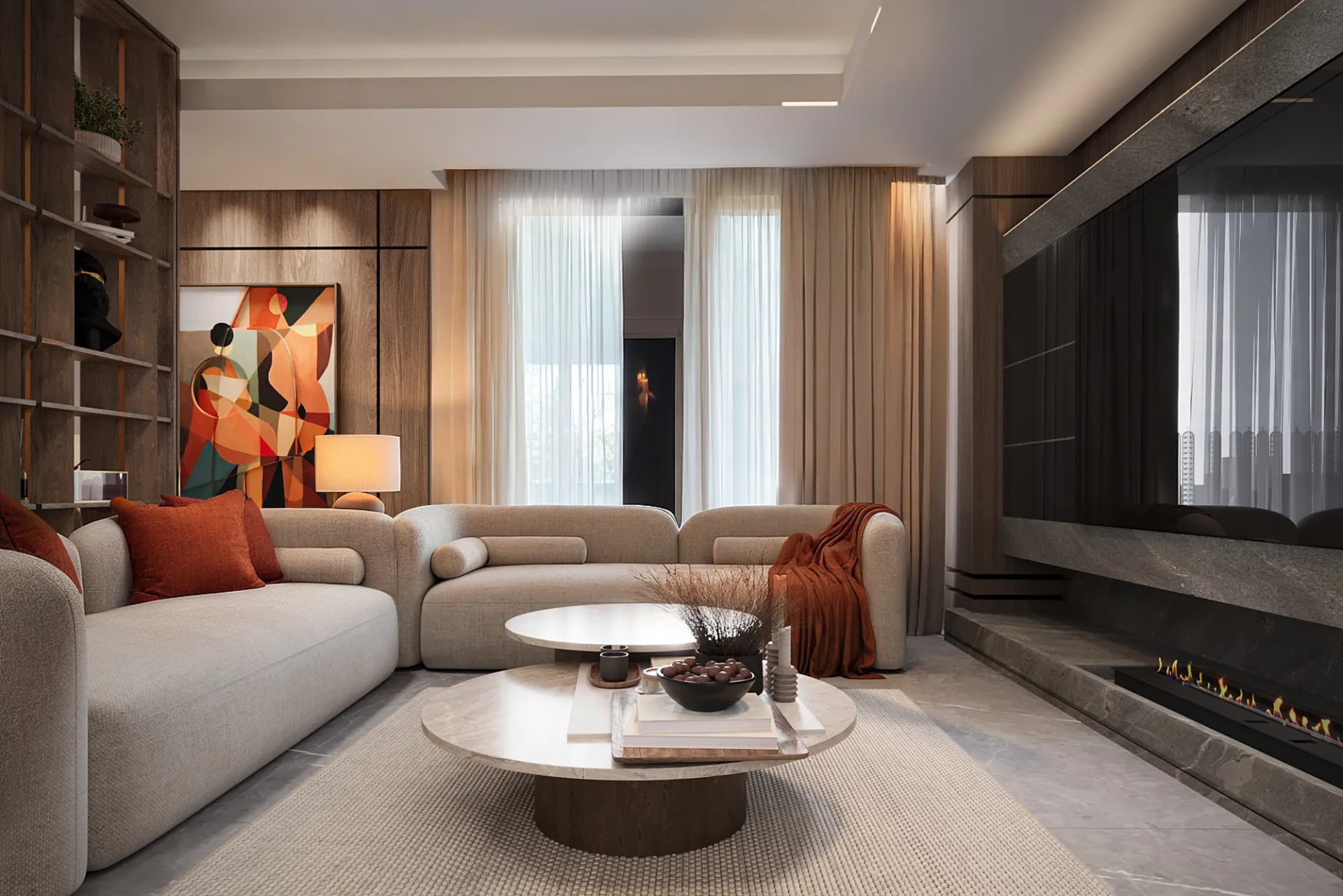
Warm colors such as red, orange, and yellow create a sense of energy and vitality, making them ideal for social areas like living rooms and dining spaces.
-
Cool colors such as blue and green provide calmness and relaxation, making them perfect for bedrooms and home offices.
-
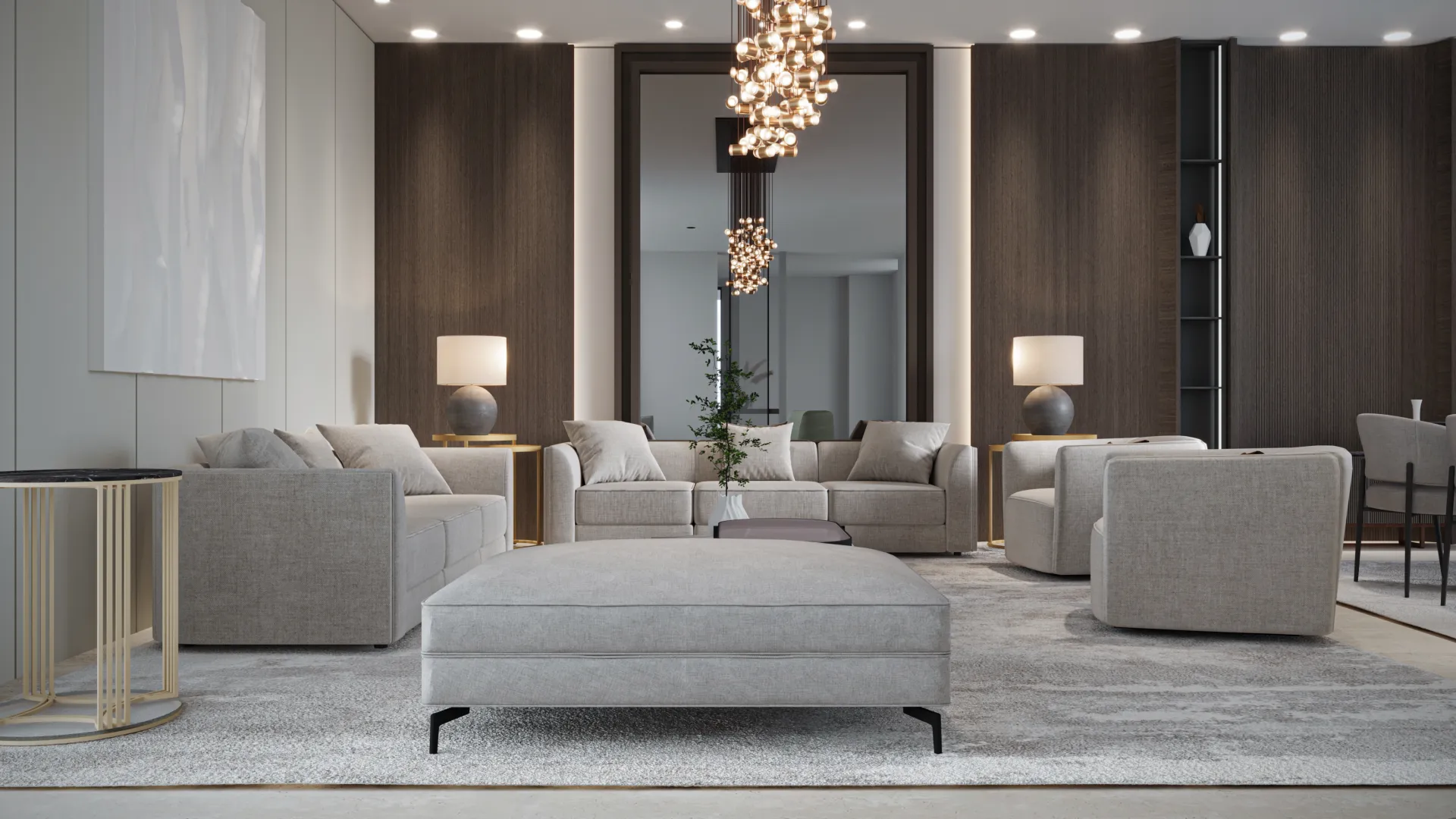
Neutral colors like white, gray, and beige offer a balanced backdrop and allow greater flexibility in choosing furniture and accessories.
Creating Visual Balance
The right color choice helps visually expand or make a space feel cozier. For example, light colors in small rooms give a sense of openness, while dark colors add luxury and warmth to larger areas.
Tips from Interior Designer Zainab Al-Obaidi
-
Focus on the purpose of the space: Determine the function of each area and the desired effect of colors before choosing them.
-
Use the color wheel: Combining complementary or harmonious colors creates visual harmony and enhances the beauty of the space.
-
Test samples before implementation: Trying paints or fabrics on the walls before full execution ensures the colors match natural and artificial lighting.
-
Balance boldness and calmness: Mixing vibrant colors with neutrals adds character and vitality without overwhelming the space.
-
Consider lighting: Color effects vary depending on the type of lighting, so choose colors that suit both natural and artificial light.
Conclusion
Colors in interior design are more than just a decorative choice—they are a language that reflects the personality and spirit of a place. Following the advice of interior designer Zainab Al-Obaidi ensures harmonious color selection that enhances visual comfort and creates the perfect environment for living and working.